Prisoner exchange deal marks start of ‘the next day’
الخامسة للأنباء - غزة
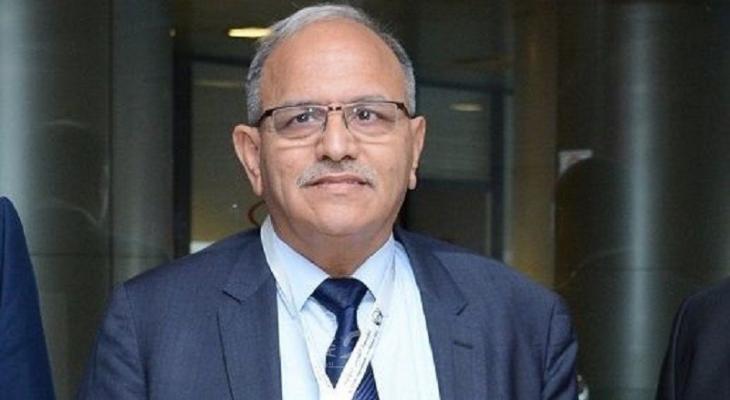
By: Hani al-Masri
The prisoner-exchange deal marks a pivotal point in the trajectory of the conflict: a real test of the political will of all parties and the start of a new phase of what can be called “the day after” the war. The release of Israeli prisoners confirms Hamas’s seriousness in complying with the part of the agreement that concerns it, even though Netanyahu’s government violated the understandings and the criteria that would govern the release of Palestinian prisoners — especially leaders and figures who carry national and historical weight. Releasing those figures would have been a major symbolic and political victory and at the same time would have heightened Israel’s fear of their potential role in reordering Palestinian affairs.
That pang does not erase the Palestinian people’s joy at the halt to the genocide and the release of more than two thousand detainees, but it does remind us that the victory remains incomplete and the struggle is not over. The scenes the world watched after the deal, when thousands of armed members of the police, internal security and Palestinian factions took to the streets to maintain order, pursue gangs and collaborators, sent a highly significant message: they confirm that the resistance, despite the devastating losses it suffered, still stands and is capable of acting, and that it was not broken as the occupation sought. Perhaps for that reason former U.S. President Donald Trump said that resistance fighters would assume security duties at this stage — an implicit recognition of their ability to manage realities on the ground.
Hamas’s willingness to relinquish governance — if it materializes, and it should in order to avoid a resumption of war and to open the door to reconstruction — does not mean its exit from the Palestinian scene; rather, it could represent a shift from a position of authority to a role within the broader national landscape. Thus the real challenge is not who rules Gaza, but how to manage the day after the war and ensure that the political vacuum does not turn into a new form of internal fighting or conflict with a “stability” force. Egypt’s call for a national dialogue may represent a historic opportunity that must be seized. Various factions have responded positively, and what is required now is for the Palestinian leadership across factions and platforms to rise to the moment and assume its national responsibilities: achieve unity on the basis of a shared political program, rebuild national institutions — particularly the institutions of the Palestine Liberation Organization as the unifying framework and the legitimate representative of the Palestinian people — so that the day after is Palestinian rather than foreign tutelage over the Gaza Strip that entrenches the separation of the West Bank from the Strip and strikes at the unity of Palestinian representation at its core, even if accompanied by symbolic participation from the Palestinian Authority. There is a decisive and fundamental difference between Palestinian rule whose legitimacy is based on national consensus, even if it is subject to Arab and international oversight, and foreign rule backed by a Palestinian sham witness that grants it a semblance of Palestinian legitimacy.
To avoid repeating the fate of previous dialogues and agreements, there must be a clear roadmap beginning with practical steps: stopping media incitement, taking measures to build trust, undertaking actions based on agreed positions and addressing various issues by consensus, even arranging some form of role-sharing, and outlawing infighting, accusations of treachery, takfir and exclusion. Then move on to drafting a shared national program in preparation for free and fair elections whose results will be respected, so the Palestinian people can decide through them the nature of their national project and who will represent them in the coming phase.

The exchange deal is not the end but a new beginning — a test of Palestinian will and its ability to turn legendary steadfastness and humanity’s uprising in support of Palestinian rights into a comprehensive national gain, and to move from resilience on the ground to driving out the occupation and achieving statehood and independence.